
AI search is changing how buyers find you
AI overviews and assistants now answer the question before the click. What that actually means for brands relying on organic traffic.
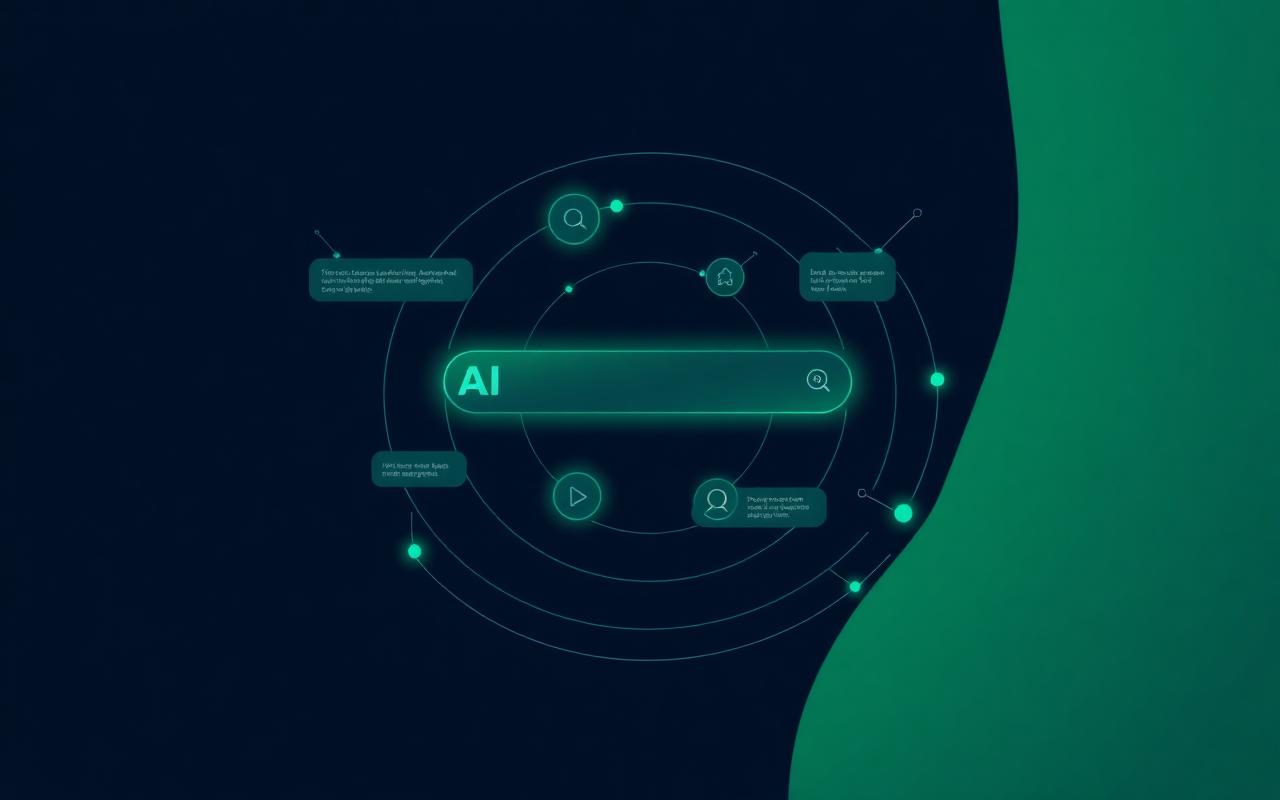
Search hasn't disappeared — it has moved a layer up. Buyers increasingly get a synthesised answer inside Google's AI experiences or an assistant like ChatGPT, then click through only when they need proof, pricing or a supplier. Traffic charts look worse while intent quality quietly improves, and most reporting isn't set up to see that.
Fewer clicks, higher intent
Informational queries are the first casualty: definitions, comparisons and "what is" content get summarised in place. The clicks that survive tend to be further down the funnel, so conversion rate on organic often rises even as sessions fall.
- Expect impression growth with lower click-through on informational terms
- Judge organic on qualified enquiries, not sessions
- Protect commercial and proof pages — those still earn the click
Being citable is the new ranking
AI systems quote sources they can parse and trust. In practice that means clear structure, unambiguous claims, dates, named authors, original data and schema that describes what the page actually is. Vague, padded content is invisible to a summariser even when it ranks.
Brand demand becomes the hedge
If discovery is intermediated, the safest position is being the brand people ask for by name. That pushes budget toward things marketers deprioritised in the performance era — PR, community, founder-led content, partnerships and email lists you own.
What I'd change this quarter
Small, concrete moves beat waiting for the dust to settle.
- Segment Search Console by query type so AI-affected losses are visible
- Rewrite top informational pages to lead with a direct, quotable answer
- Add author, review dates and organisation schema to key templates
- Track branded search volume as a first-class KPI